Confused by all the home decor styles out there? This guide breaks down 10 popular styles, how to find yours, and how to mix them with confidence.
Walking into a furniture store, or scrolling Pinterest for five minutes, can leave you with a cart full of things that don’t actually go together. A rattan chair here, an industrial shelf there, a farmhouse sign because it looked cute in someone else’s kitchen. The result is a home that feels random instead of restful.
Knowing your decor style before you shop changes everything. It saves you money, because you stop buying pieces that end up in a closet six months later. It saves you time, because you’re no longer scrolling endlessly without a clear direction. And it gives your home a sense of cohesion that makes it feel finished, even when it’s still a work in progress.
This guide walks through the most popular home decor styles, what defines each one, and how to figure out which one actually fits the way you live.
Why Your Decor Style Matters
Every decor style is really just a shared language: a set of colors, materials, and shapes that naturally work well together. When you know your style, decisions get easier. You’re not asking “do I like this?” for every single item. You’re asking “does this fit what I’m already building?”
That doesn’t mean your home has to fit neatly into one box. Most real homes borrow from two or three styles. But having a foundation gives you something to build from, rather than starting from zero every time you shop.
The Most Popular Home Decor Styles
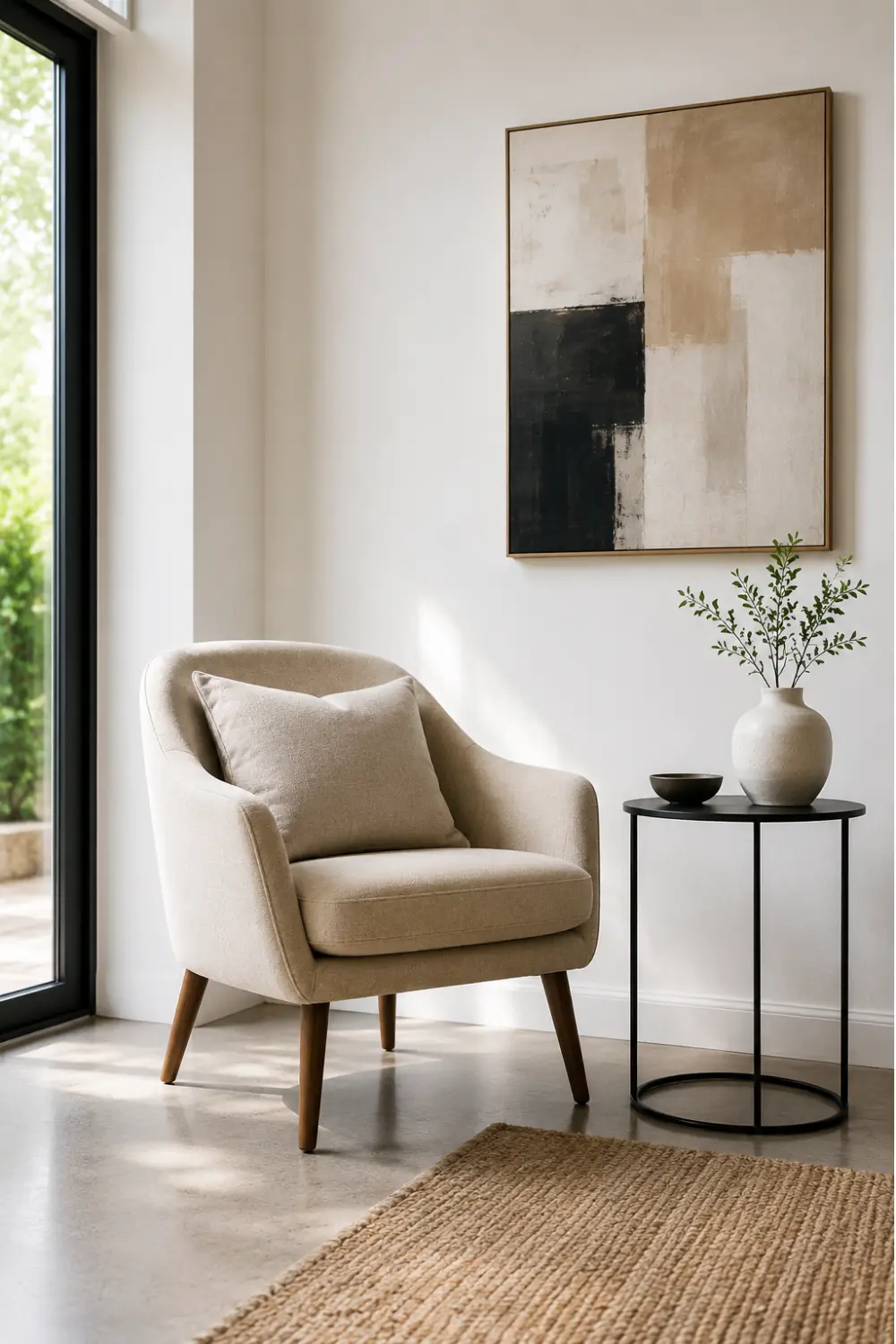
1.Modern
Modern style is built around simplicity. Clean lines, uncluttered surfaces, and a focus on function over decoration define the look. It’s often confused with contemporary style, but modern actually refers to a specific design movement rooted in the early-to-mid 1900s, while contemporary reflects whatever is current right now.
Color palette:
Neutral tones, including white, black, and gray, with the occasional bold accent color.
Materials:
Glass, metal, lacquered surfaces, and minimal wood.
Who it suits:
People who want a calm, uncluttered space and don’t mind a more minimal approach to decorating.
modern home decor style living room
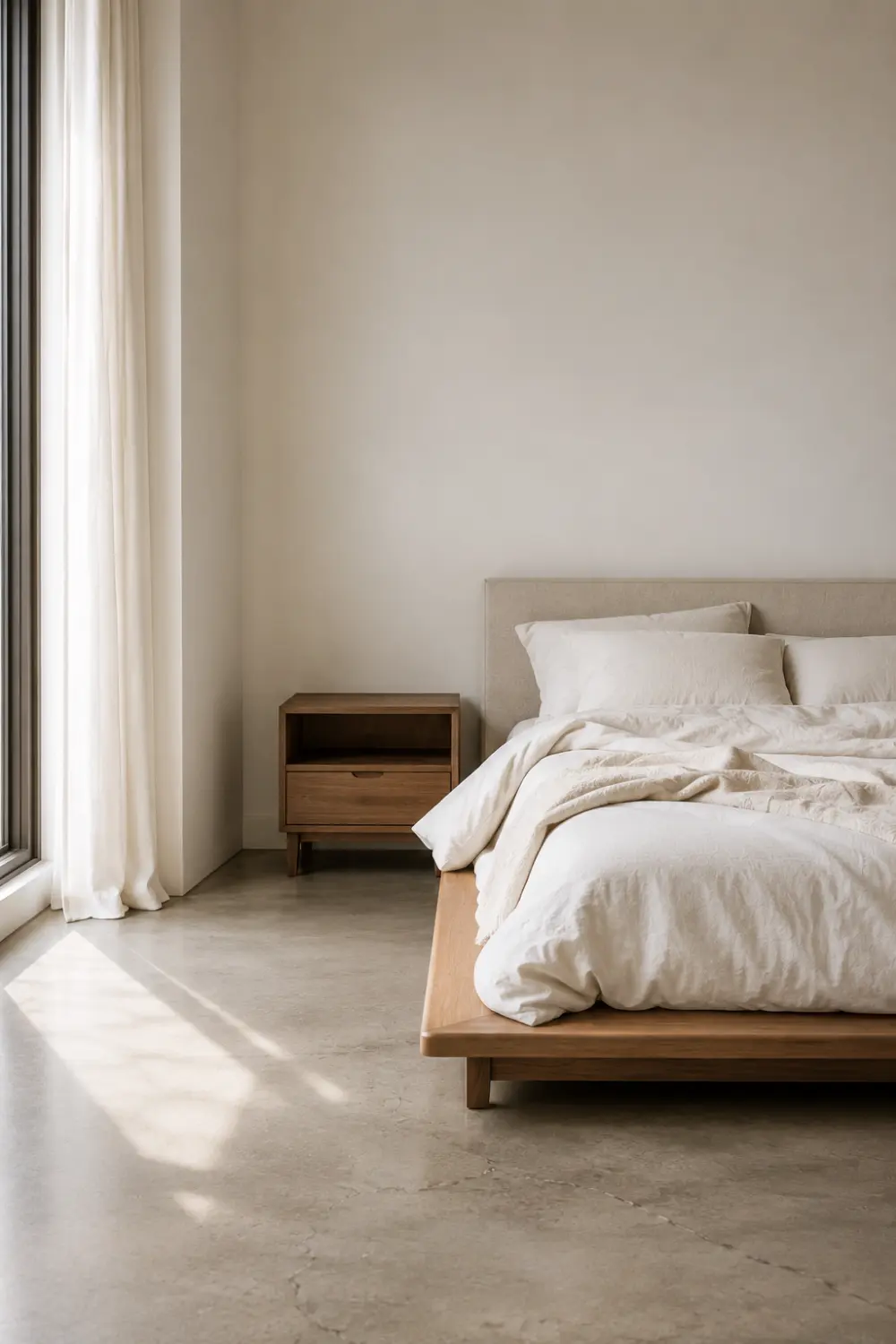
2.Minimalist
Minimalist decor takes the “less is more” idea from modern style and pushes it further. Every item in the room needs a purpose. There’s little visual clutter, and the color palette usually stays close to whites, off-whites, and soft neutrals.
Color palette:
Whites, soft grays, and muted neutrals with almost no bold color.
Materials:
Natural wood, matte finishes, simple textiles.
Who it suits:
People who feel calmer in open, uncluttered spaces and don’t want to spend time managing lots of decorative objects.
minimalist home decor style bedroom
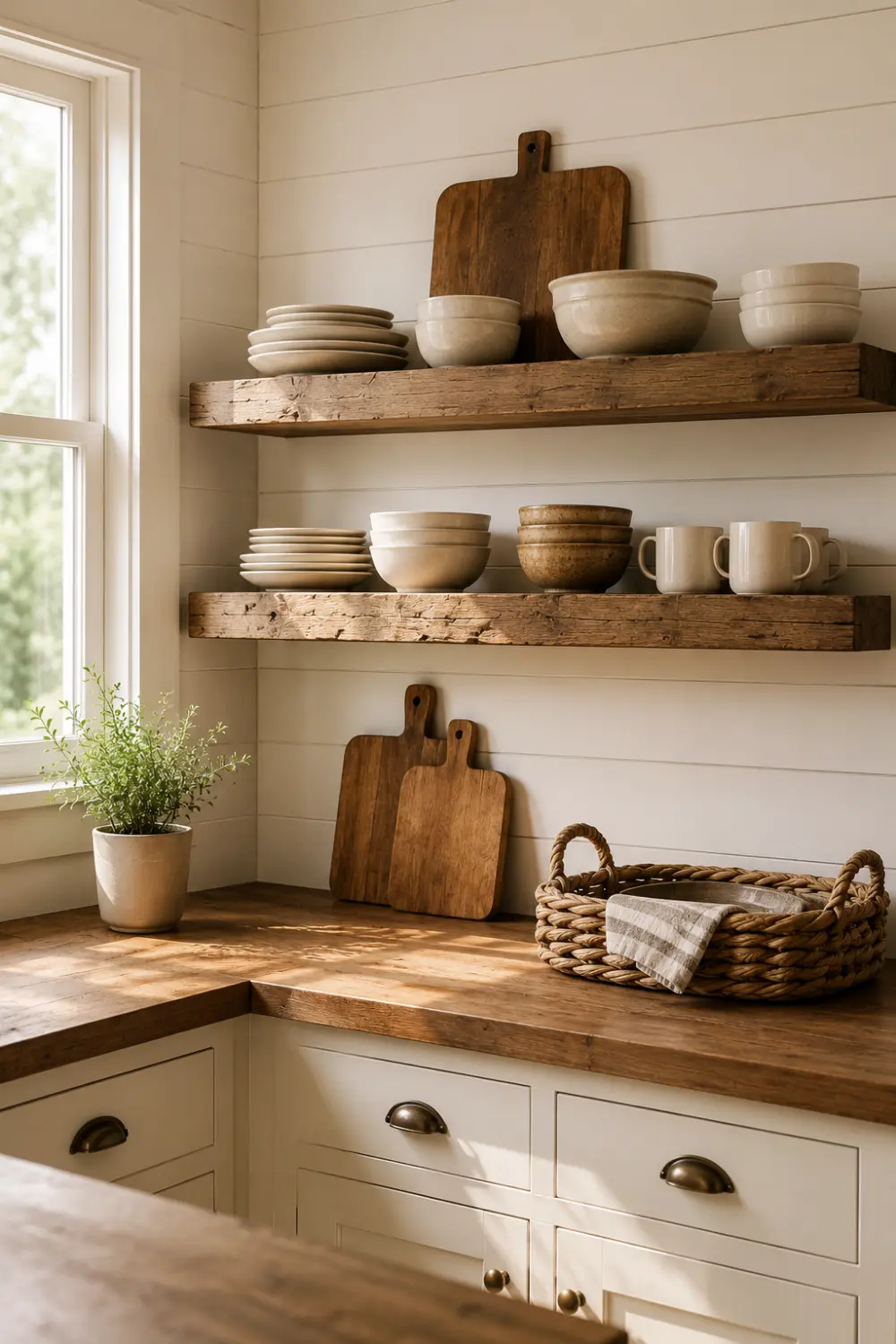
3.Farmhouse
Farmhouse style blends rustic warmth with practical, everyday comfort. Think reclaimed wood, shiplap, and a mix of vintage and new pieces that feel collected rather than matched.
Color palette:
Whites, warm neutrals, and soft wood tones.
Materials:
Reclaimed or distressed wood, cotton, iron accents.
Who it suits:
People who want a cozy, welcoming home without going fully rustic or overly polished.
farmhouse home decor style kitchen
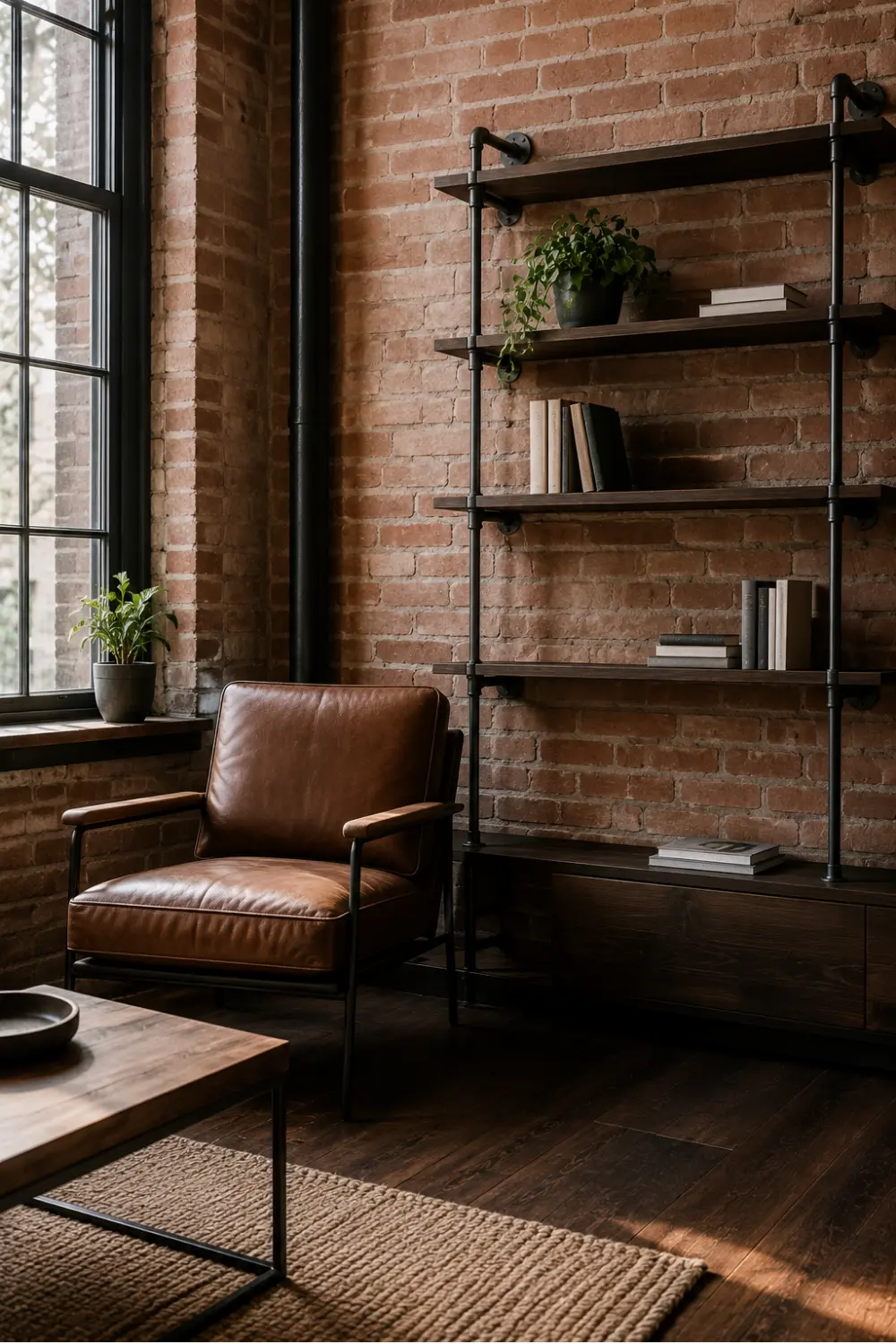
4.Industrial
Industrial style borrows from old factories and warehouses: exposed brick, black metal, and raw materials left unfinished on purpose. It tends to feel masculine and a little edgy, but it works well when balanced with softer textiles.
Color palette:
Black, gray, brown, with warm metal accents like copper or brass.
Materials:
Metal pipe, reclaimed wood, exposed brick or concrete finishes.
Who it suits:
People decorating a loft-style space, or anyone who wants a more urban, unpolished look.
industrial home decor style loft
5.traditional
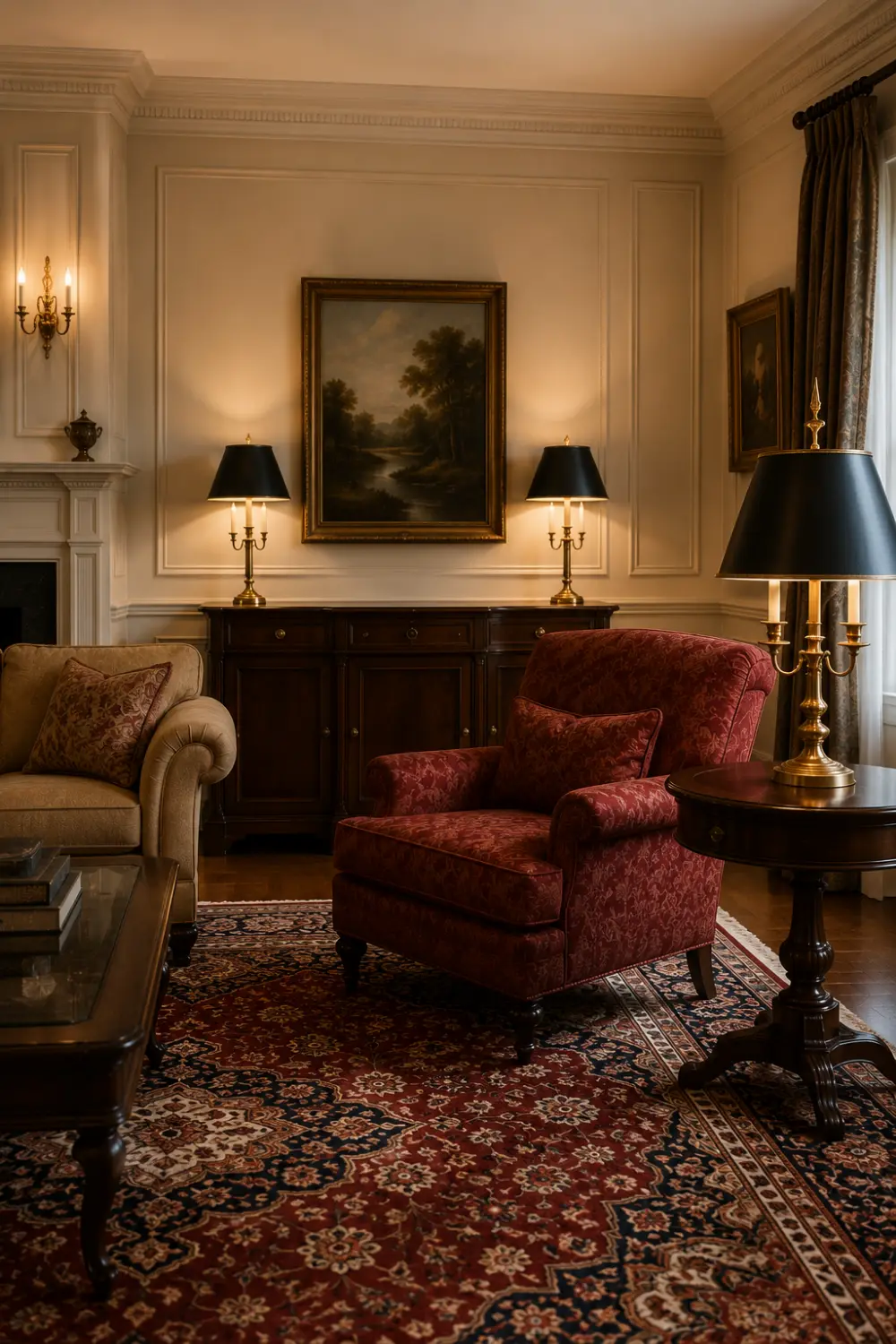
Traditional design draws from 18th and 19th century European styles. It’s symmetrical, formal, and rich, with detailed moldings, classic furniture silhouettes, and layered textiles.
Color palette:
Warm, rich tones, including deep reds, golds, and forest greens, alongside neutral backgrounds.
Materials:
Dark wood, plush upholstery, wool and silk textiles.
Who it suits:
People who love a timeless, elegant look and don’t mind a more formal feel to their rooms.
traditional home decor style living room
6.Coastal
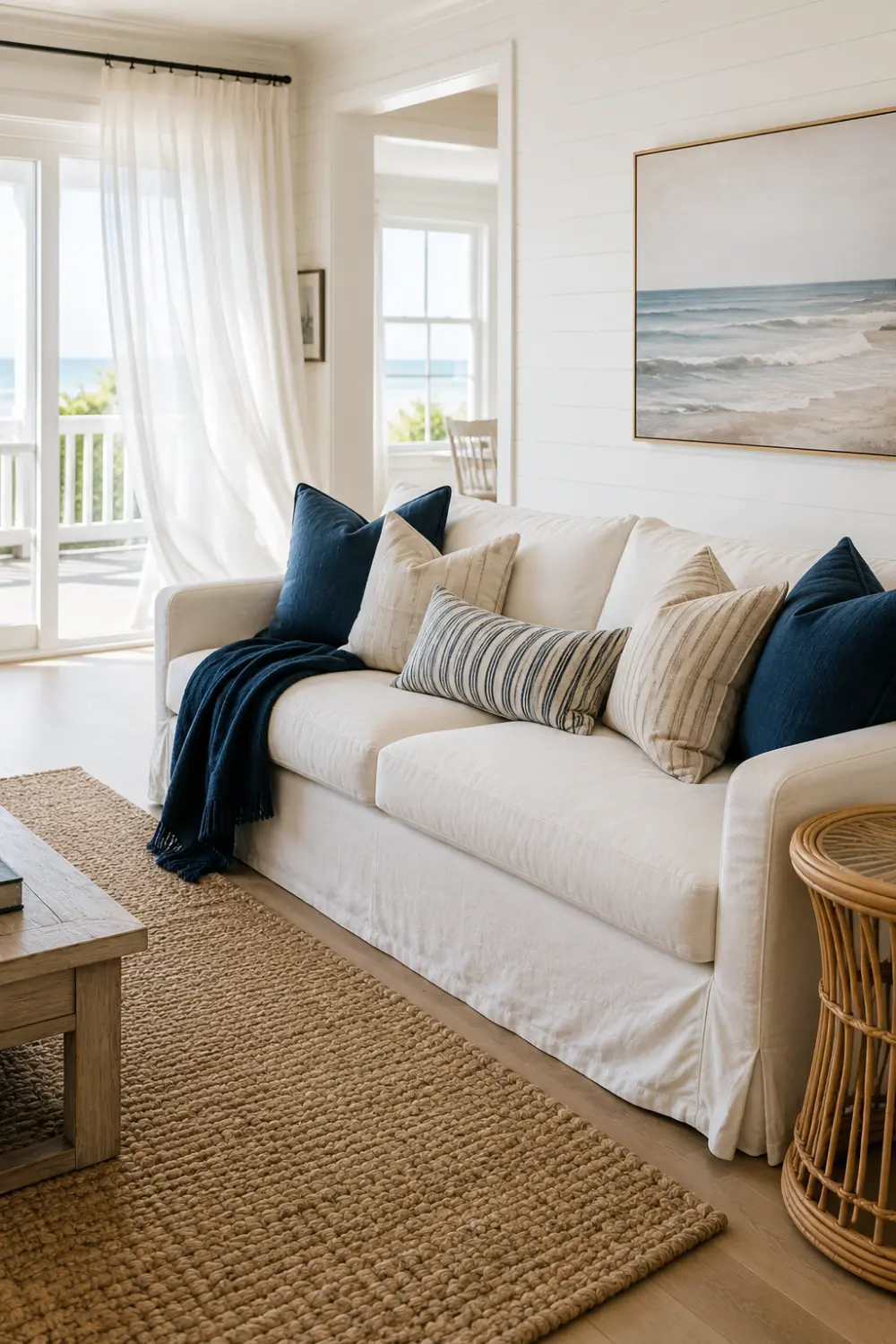
Coastal decor draws on natural light, breezy textiles, and a color palette pulled straight from the beach. It doesn’t need to be literal (you don’t need anchors and seashells everywhere), but the overall feeling should be light, airy, and relaxed.
Color palette:
White, sandy neutrals, and shades of blue.
Materials:
Linen, cotton, rattan, light woods.
Who it suits:
People who want their home to feel like a permanent vacation, regardless of where they actually live.
coastal home decor style living room
7.Mid-Century Modern
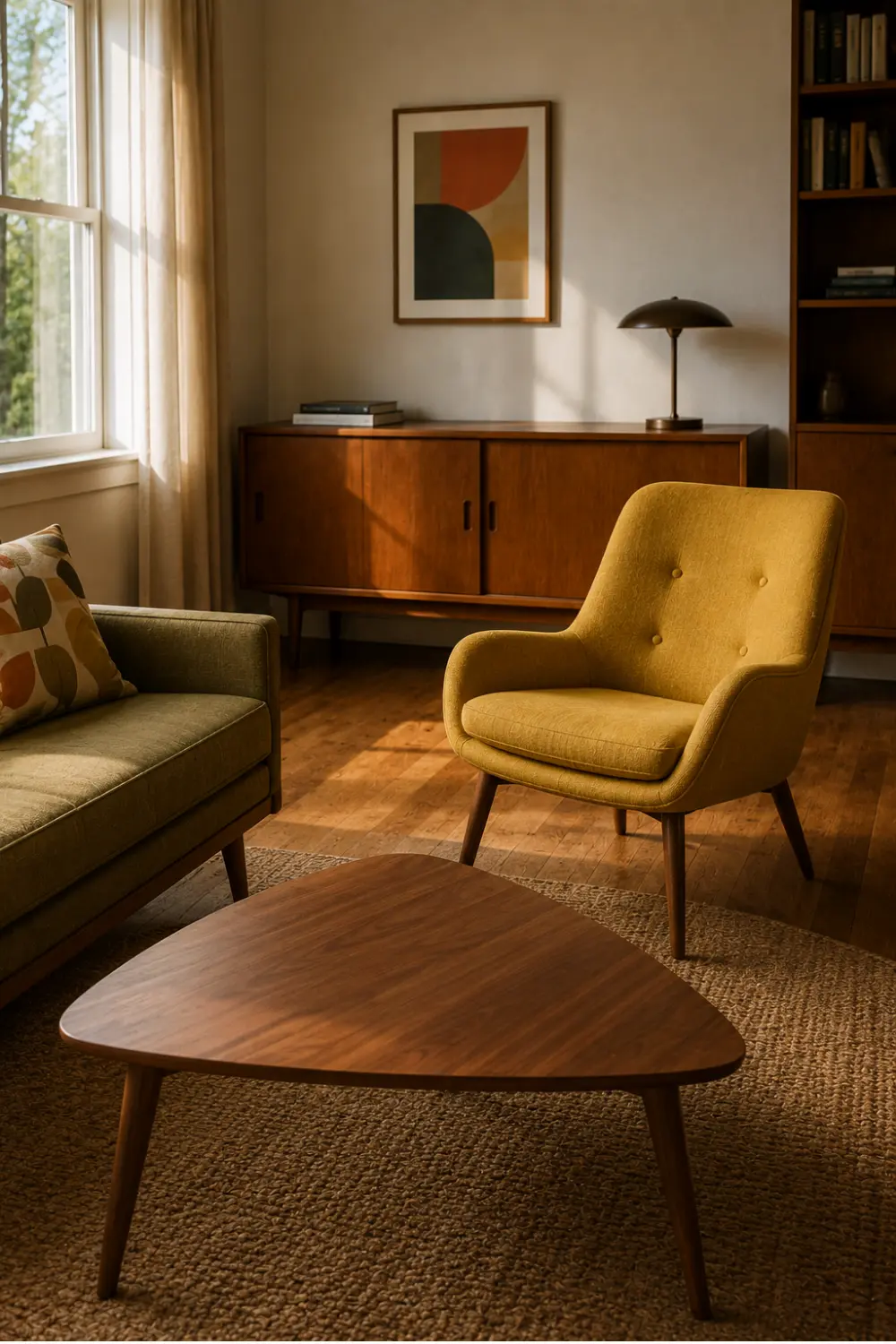
Mid-century modern refers to a specific design era from roughly the 1930s through the 1970s. It’s known for tapered wood legs, organic curves, and a mix of function and retro flair. It has stayed consistently popular because the pieces are timeless rather than trendy.
Color palette:
Warm wood tones with pops of mustard, teal, or burnt orange.
Materials:
Walnut and teak wood, molded plastic, leather.
Who it suits:
People who like a warmer, more retro take on modern style.
mid century modern home decor style
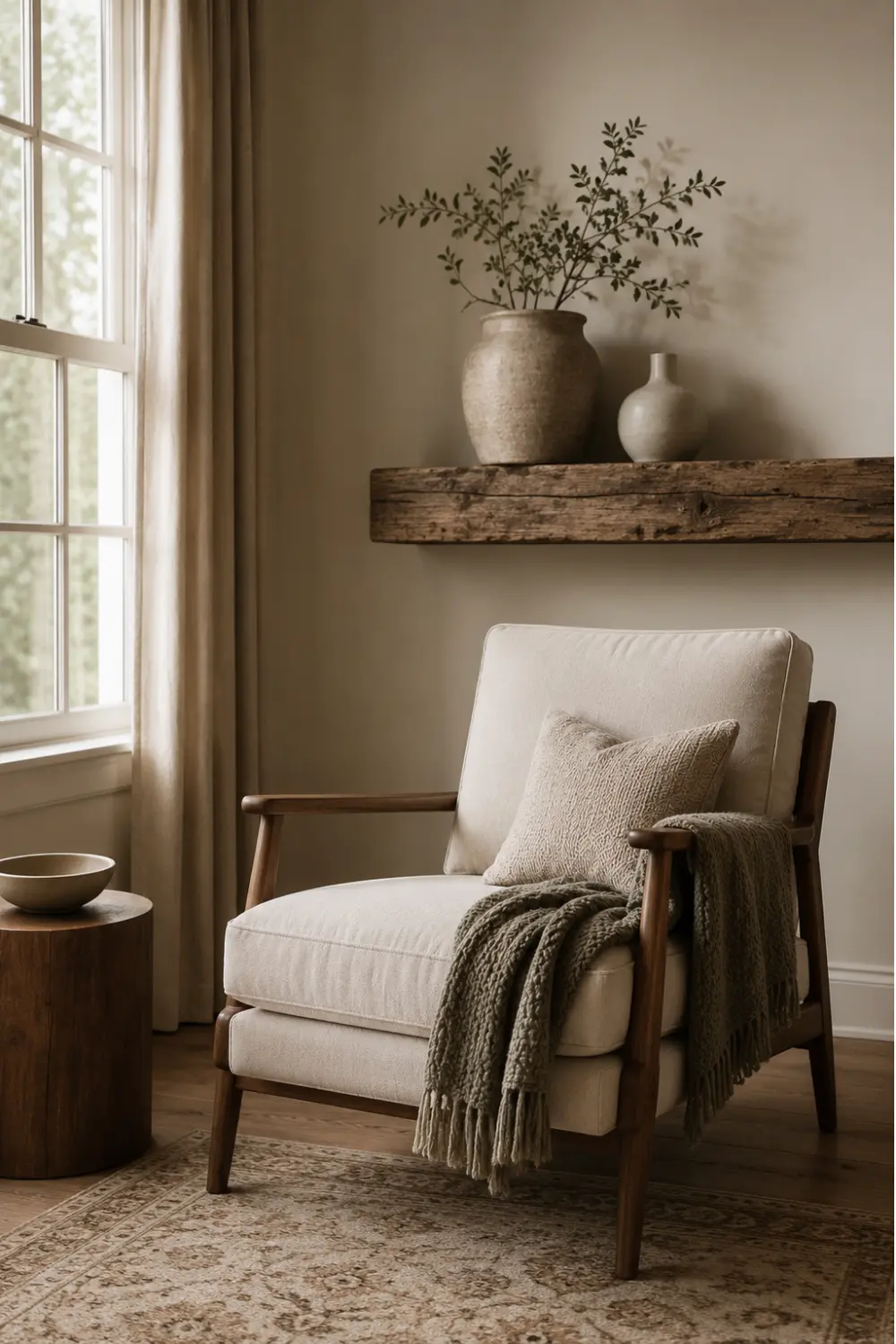
8.Rustic
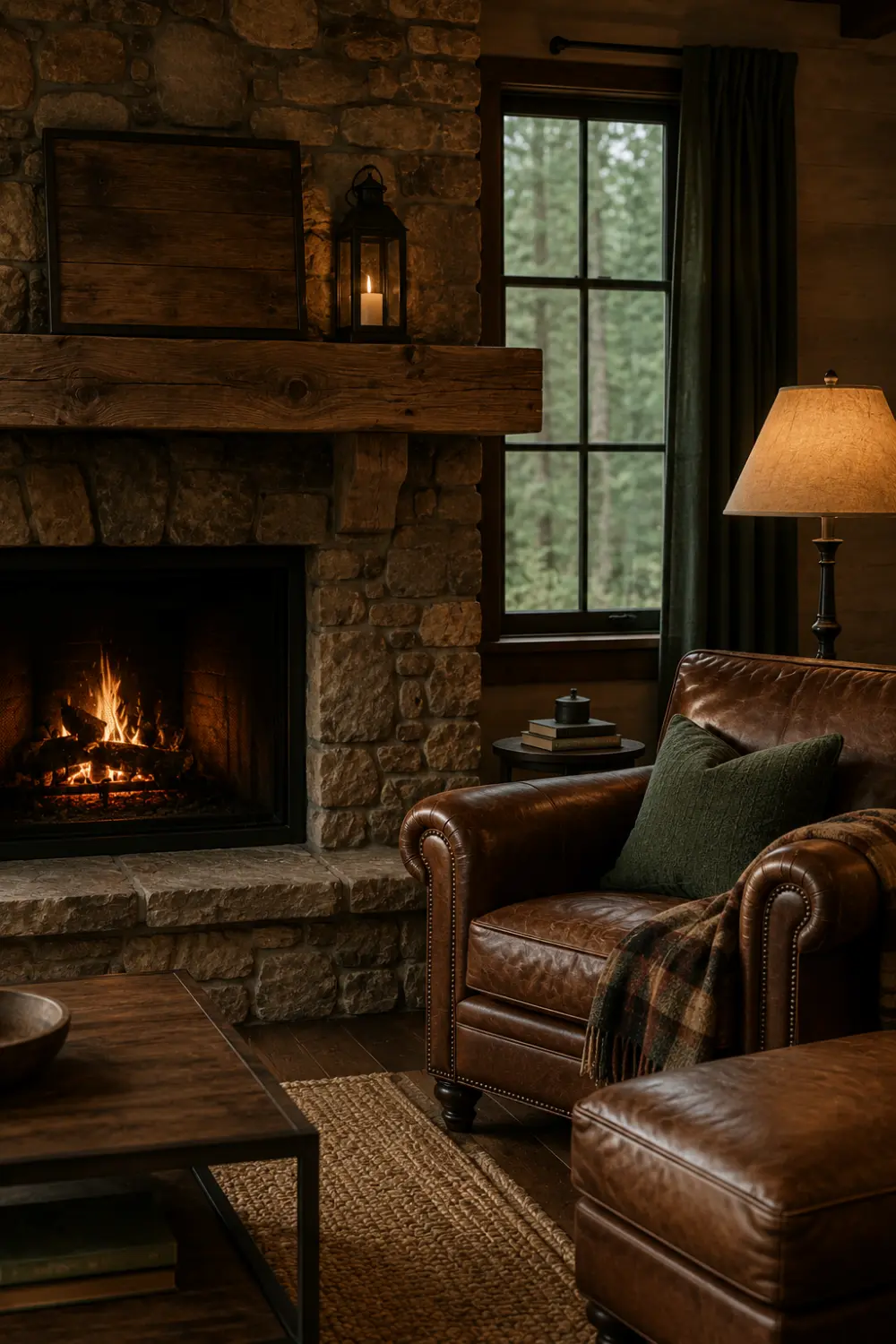
Rustic style leans fully into natural materials and a lived-in, imperfect feel. It overlaps with farmhouse, but rustic tends to feel earthier and less polished, closer to a mountain cabin than a modern farmhouse kitchen.
Color palette:
Deep browns, forest greens, warm neutrals.
Materials:
Raw or reclaimed wood, stone, leather, wrought iron.
Who it suits:
People who want a cozy, grounded home with visible texture and natural imperfections.
rustic home decor style living room
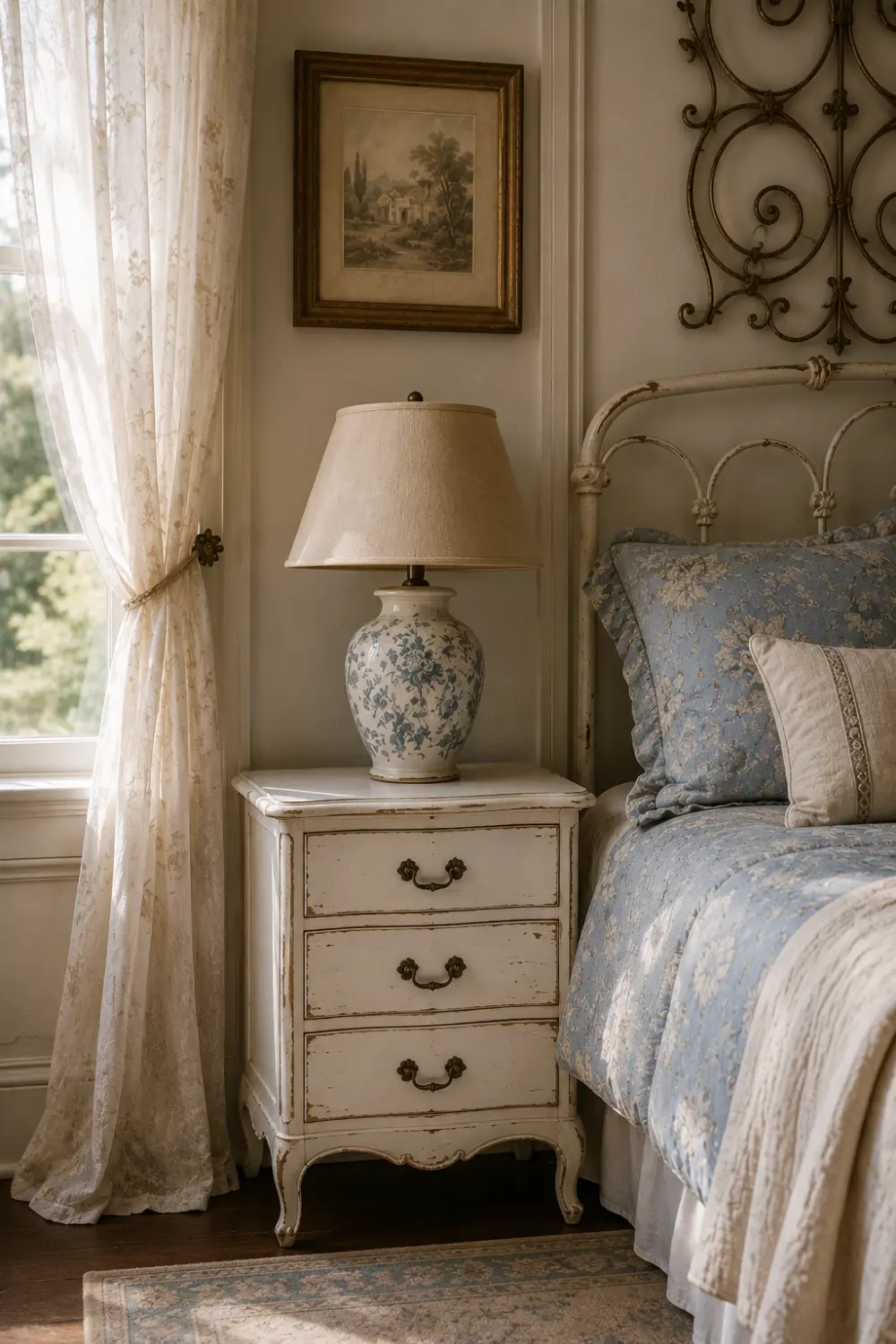
9.French Country
French country style pulls from rural France: soft, feminine details paired with weathered, neutral furniture. It works especially well in dining rooms and bedrooms.
Color palette:
Soft neutrals, muted blues, and gentle floral accents.
Materials:
Distressed wood, wrought iron, linen.
Who it suits:
People who want a soft, nostalgic feel without going fully traditional.
french country home decor style bedroom
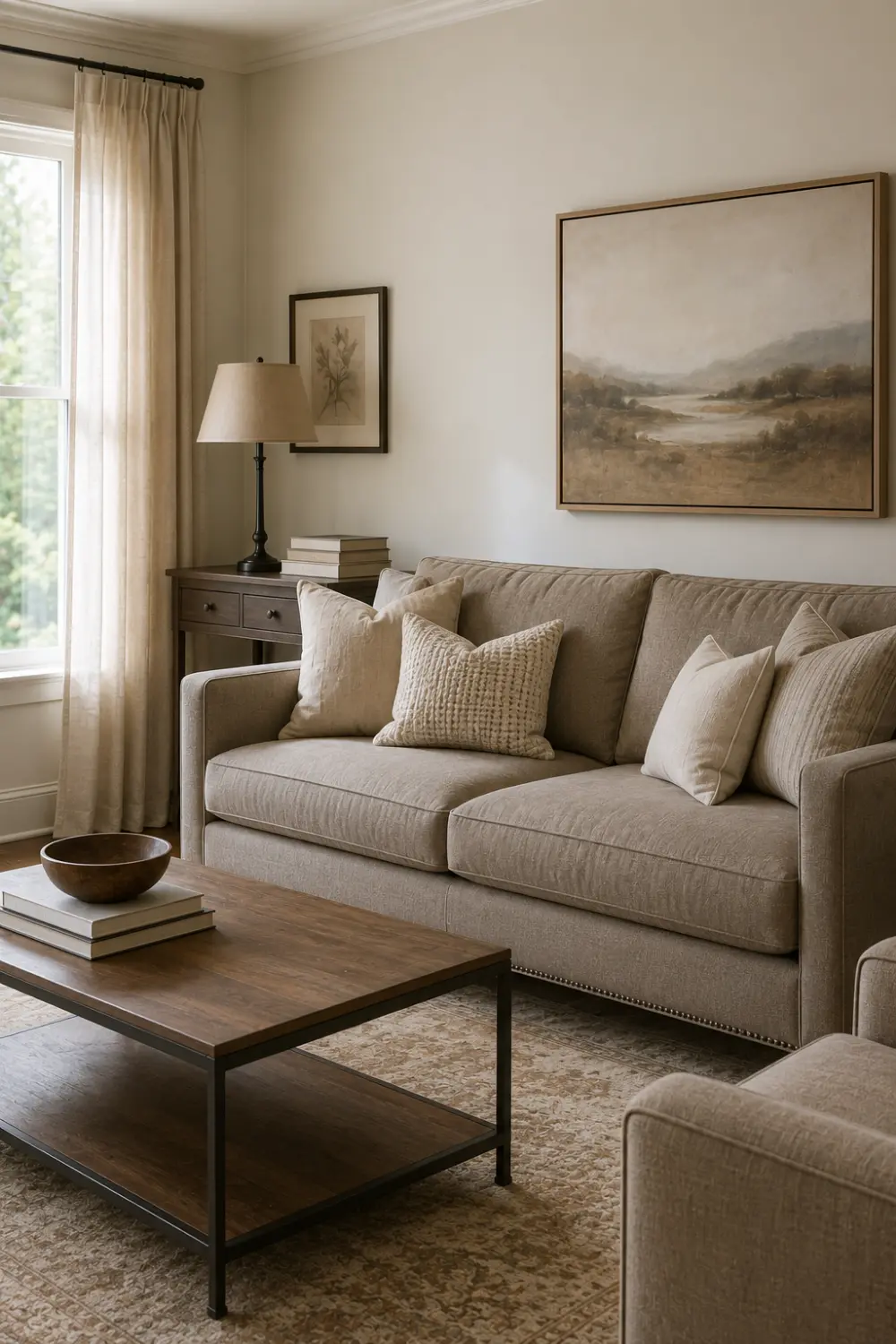
10.Transitional
Transitional style sits between traditional and contemporary. It takes the comfort and warmth of traditional design and pairs it with the cleaner lines of modern style. It’s one of the most versatile styles because it’s forgiving of mixed furniture.
Color palette:
Neutral tones, including taupe, cream, and warm gray, used as a base for layered textures.
Materials:
A mix of wood, metal, and soft textiles.
Who it suits:
People who can’t fully commit to one style and want something that blends comfort with a cleaner look.
transitional home decor style living room
How to Find Your Personal Style
If none of the styles above feel like an exact match, that’s normal. Most people land somewhere between two or three. A few ways to narrow it down:
Look at what you already save. Check your Pinterest boards, camera roll, or browser bookmarks. Patterns usually show up faster than you’d expect.
Notice your instinct in hotels and stores. Which rooms make you want to stay a while, and which ones feel like a showroom you’d never actually live in?
Think about how you want to feel at home. Calm and quiet points toward minimalist or modern. Warm and cozy points toward farmhouse or rustic. Elegant and formal points toward traditional.
Start with one room. Pick your living room or bedroom and build it around one style before expanding to the rest of the house.
Can You Mix Styles?
Yes, and most homes do, whether intentionally or not. The key to mixing styles without it feeling chaotic is consistency somewhere else in the room. That usually means:
Repeating the same wood tone or metal finish across pieces
Sticking to one color palette even if the furniture styles vary
Choosing one “anchor” piece per room and letting everything else support it
A farmhouse dining table with mid-century modern chairs works because the wood tones match. A traditional sofa with modern lighting works because the color palette stays neutral. The mix feels intentional when there’s a thread tying it together.
Common Mistakes When Choosing a Style
Buying trend pieces before knowing your base style. Trendy items date quickly. A strong foundation lasts longer.
Matching everything too perfectly. A home where every piece is from the same collection can feel more like a showroom than a home.
Ignoring how you actually live. A pristine white minimalist living room isn’t practical for a house full of kids or pets. Choose a style that fits your real life, not just what looks good in photos.
Changing direction room by room with no connection. It’s fine to have different moods in different rooms, but a home with zero visual thread between spaces can feel disjointed.
Frequently Asked Questions
What’s the difference between modern and contemporary style? Modern refers to a specific design era from the early-to-mid 1900s, with clean lines and minimal ornamentation. Contemporary simply means “of the moment” and changes over time, currently leaning toward curved lines and softer edges.
How do I find out what my decor style is?
Look at what you naturally save on Pinterest or Instagram, notice which hotel or store interiors you’re drawn to, and start with one room instead of trying to define your whole home at once.
Can I mix two decor styles in one room?
Yes. The easiest way to do it well is to keep one element consistent, like wood tone, metal finish, or color palette, across both styles.
What decor style is timeless and won’t go out of style?
Transitional and mid-century modern tend to age the best, since both rely on classic proportions rather than trend-driven details.
Is farmhouse style still trendy?
Farmhouse has moved past its peak trend cycle, but a more refined, less literal version of it (sometimes called “modern farmhouse”) remains popular and functional for everyday living.
Final Thoughts
You don’t need to pick a style and follow it perfectly. Real homes evolve, and the best ones usually reflect a few different influences layered together over time. What matters most is starting with a direction, even a loose one, so every purchase moves you closer to a home that feels like yours, instead of one that feels randomly assembled.
Start small. Pick one room, choose the style that feels closest to how you want to live, and build from there.