How to Decorate Apartment Walls Without Damage: The Complete Renter's Guide
July 28, 2026 · Lilac Pearls
Learn how to decorate apartment walls without damage using Command strips, peel-and-stick wallpaper, and other renter-friendly ideas that protect your security deposit.
Decorating a rental doesn't mean you have to live with plain, empty walls. If you're wondering how to decorate apartment walls without damage, there are plenty of stylish, renter-approved solutions that won't leave holes or cost you your security deposit. From removable wallpaper and adhesive hooks to damage-free picture hanging strips, today's renter-friendly wall decor options make it easy to personalize your space without drilling or using nails. Whether you want to display artwork, family photos, mirrors, or shelves, this guide will show you the best damage-free wall decor ideas and practical tips to transform your apartment while keeping your walls in excellent condition.
Why Decorating Apartment Walls Can Be Challenging for Renters
Renters face a different set of decorating rules than homeowners. Lease agreements often restrict or outright ban nail holes, paint, and wallpaper, and security deposits are on the line if a wall shows damage at move-out. On top of that, older apartment buildings may have plaster, concrete, or paneling instead of standard drywall, which changes how well certain adhesives and hooks perform. Because most renters also know they will move again within a year or two, it rarely makes sense to invest in permanent wall treatments. The result is a real need for decorating methods that look intentional, hold securely, and disappear completely when it is time to go.
Before You Hang Anything on Your Walls
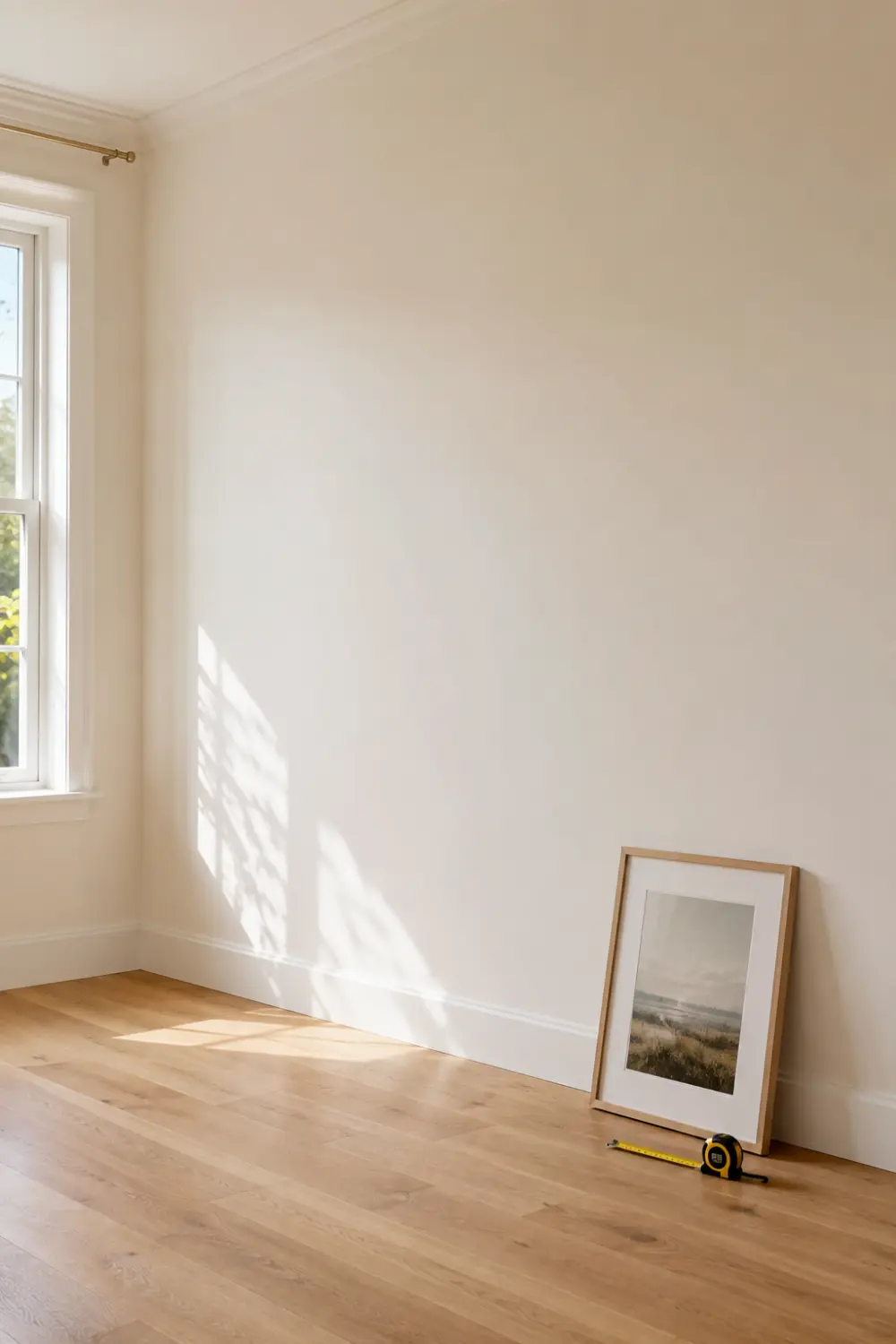
planning apartment wall decor
Check Your Lease Agreement
Before buying a single Command strip, read the lease section on alterations or wall treatments. Many leases allow small nail holes but prohibit wallpaper, paint, or large-scale adhesive projects. Some landlords are open to reasonable requests, like a peel-and-stick accent wall, if asked in writing first. Getting approval in writing protects your security deposit and avoids disputes at move-out, especially for anything beyond a few picture frames.
Know Your Wall Type
Not every wall behaves the same way. Standard drywall is the most common surface in newer apartments and works well with adhesive strips and hooks. Plaster, common in older buildings, is harder and can crack under pressure if strips are removed incorrectly. Concrete or cinder block walls, often found in basement units or high-rises, need adhesives rated specifically for masonry. A quick tap test tells you a lot: a hollow sound usually means drywall, while a solid thud suggests plaster, concrete, or brick behind a thin finish.
Consider the Weight of Your Decor
Every damage-free hanging product has a weight limit, and exceeding it is the single most common reason strips fail. Lightweight frames and small decor pair well with adhesive strips and hooks, while oversized mirrors, heavy shelves, or large art may need to be leaned, secured with anti-tip hardware, or reconsidered altogether. When in doubt, size down the piece or split heavier art into a lighter, multi-panel arrangement instead of forcing one heavy item onto adhesive that was not built for it.
The Best Ways to Decorate Apartment Walls Without Damage
Once you know your lease terms, wall type, and the weight you are working with, these ten methods cover nearly every renter decorating scenario, from framed art to full accent walls.
Use Command Strips for Frames and Wall Art
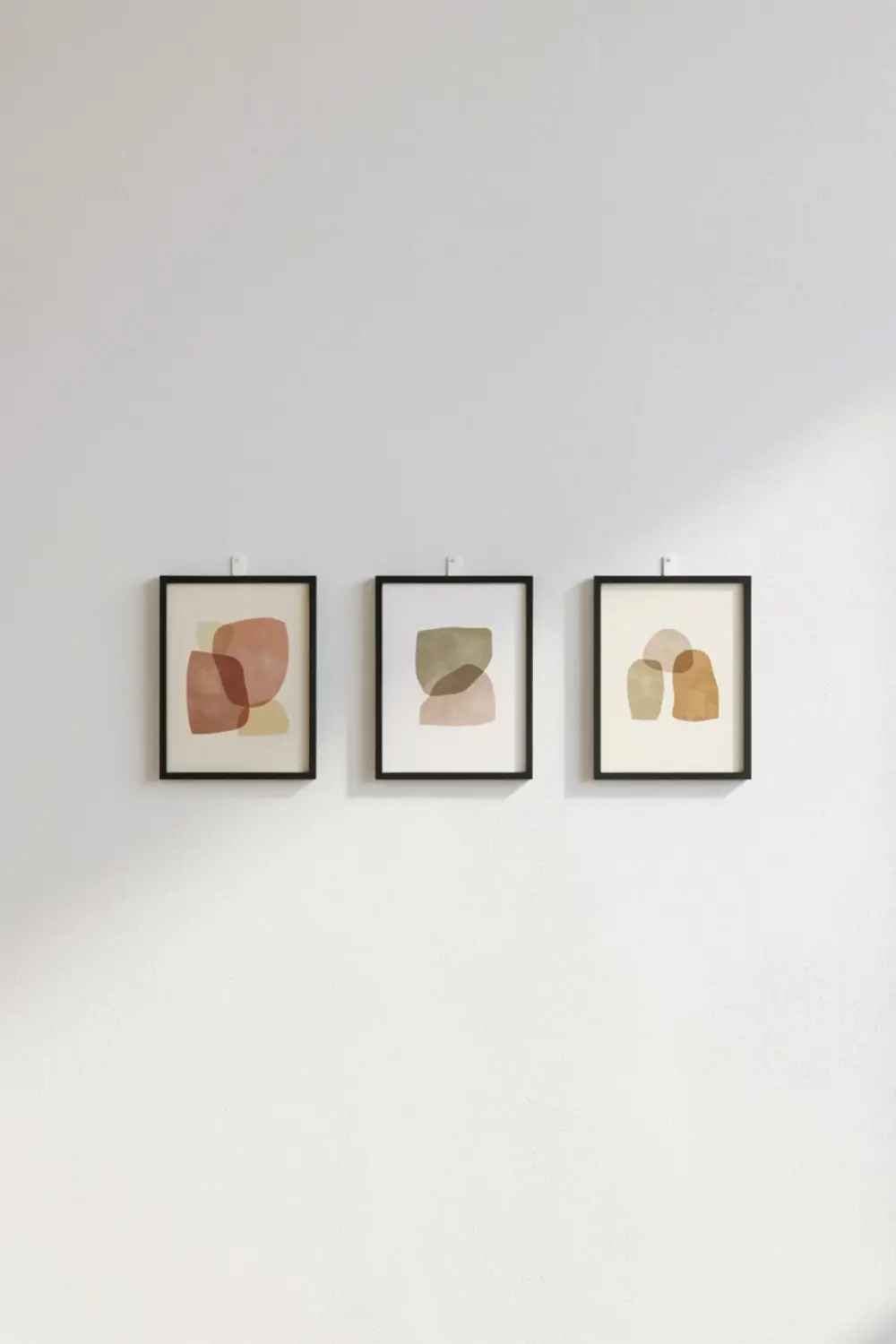
command strips picture frames
Command strips remain the most reliable damage-free option for hanging pictures without nails. They come in weight ratings from 4 to 20 pounds, so a single product line can handle everything from a small print to a large framed poster. To use them correctly, clean both the wall and the back of the frame with rubbing alcohol, apply the strips to the frame, press firmly along the wall for 30 seconds, and then wait about an hour before hanging anything on the strips. Command strips should not be used on wallpaper, textured walls, or unpainted surfaces, and manufacturers recommend waiting seven days after fresh paint before applying them..
Hang Pictures with Adhesive Hooks
Not every frame is flat-backed. Pieces with sawtooth hangers, D-rings, or wire backing need an adhesive hook or hanger rather than a flat strip. These hooks mount the same damage-free way, using Command-style adhesive strips on the back, but they cradle the existing hardware on your frame instead of sticking directly to it. This makes them the better choice for gallery frames, thrifted art, and anything you bought already framed.
Try Peel-and-Stick Wallpaper
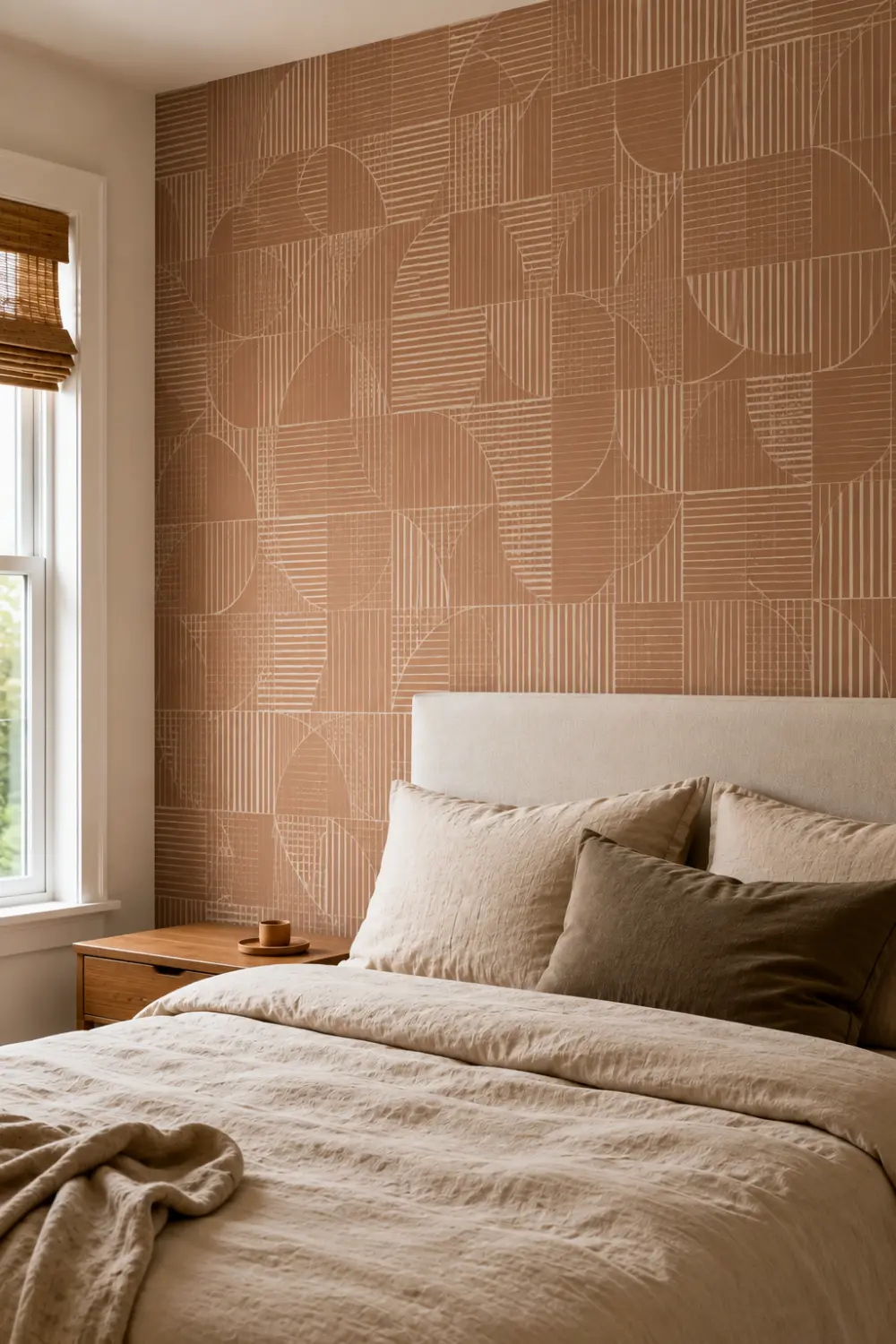
peel and stick wallpaper accent wall
Peel-and-stick wallpaper is one of the highest-impact damage-free changes a renter can make. A single accent wall can transform a room without touching paint or drywall, and vinyl versions remove cleanly as long as the wall underneath is smooth, painted, and free of texture. Apply it slowly, working out air bubbles as you go, and avoid installing over wallpaper, brick, or heavily textured plaster, since the adhesive needs a smooth surface to release cleanly later.
Decorate with Removable Wall Decals
Wall decals offer the visual impact of wallpaper on a much smaller scale, which makes them a low-commitment way to test a pattern or add a focal point above a bed or sofa. They apply directly to clean, smooth, painted walls and peel off without adhesive residue when it is time to move. Because they are inexpensive and reposition easily while the backing is still in place, decals are a good option for renters who like to change their decor often.
Create a Gallery Wall with Washi Tape
Washi tape is one of the lowest-cost damage-free decorating tools available, and it works well for temporary gallery walls, dorm rooms, or anyone who wants a frame-free look. Because washi tape is low-tack paper tape, it lifts cleanly off most painted walls, though it is worth testing a small hidden spot first on older or flat-finish paint. Plan the layout on the floor before taping anything to the wall, so spacing and alignment are settled ahead of time.
Lean Large Mirrors Instead of Hanging Them
Oversized mirrors often exceed the weight limits of adhesive strips and hooks, which makes leaning them against the wall a practical damage-free alternative. A floor-leaned mirror also reads as an intentional, styled choice rather than a compromise. For safety, especially in homes with kids or pets, add a non-drilling anti-tip strap or museum putty at the base to keep the mirror from sliding forward.
Display Fabric Wall Hangings
Tapestries, macrame hangings, and woven wall art add texture and warmth without the weight of framed pieces. Most fabric wall hangings are light enough to hang from a single Command hook or a small tension rod threaded through the top, so they rarely strain adhesive weight limits. They are also one of the easiest damage-free options to reposition, since a fabric hanging can be taken down and rehung in seconds.
Install Curtains Without Drilling
Curtains add softness to a rental without a single screw. Spring tension rods fit inside most window frames using pressure alone, and adhesive curtain rod brackets are available for windows where a tension rod will not sit flush. To install a tension rod, measure the window opening, twist the rod to the correct length so it fits snugly, and check that it sits level before hanging curtains. Avoid overloading a tension rod with heavy blackout fabric, since most are rated for lighter curtain weights.
Use Tension Rods for Window Decor
Beyond curtains, tension rods are a flexible tool for renters. A short tension rod works well inside a cabinet as a makeshift divider, across a small window for a cafe curtain, or as a way to hang a scarf or fabric runner as a soft window treatment. Because they rely on pressure rather than adhesive or hardware, tension rods can be moved between rooms or removed entirely with no trace left behind.
Hang Lightweight Shelves with Adhesive Mounts
Floating picture ledges that mount with adhesive strips let you display framed photos, small plants, or decorative objects without drilling into the wall. These shelves typically hold up to 5 pounds, so they work best for lightweight styling rather than books or heavy decor. Group two or three at different heights for a layered, gallery-style display that still comes down cleanly when you move.
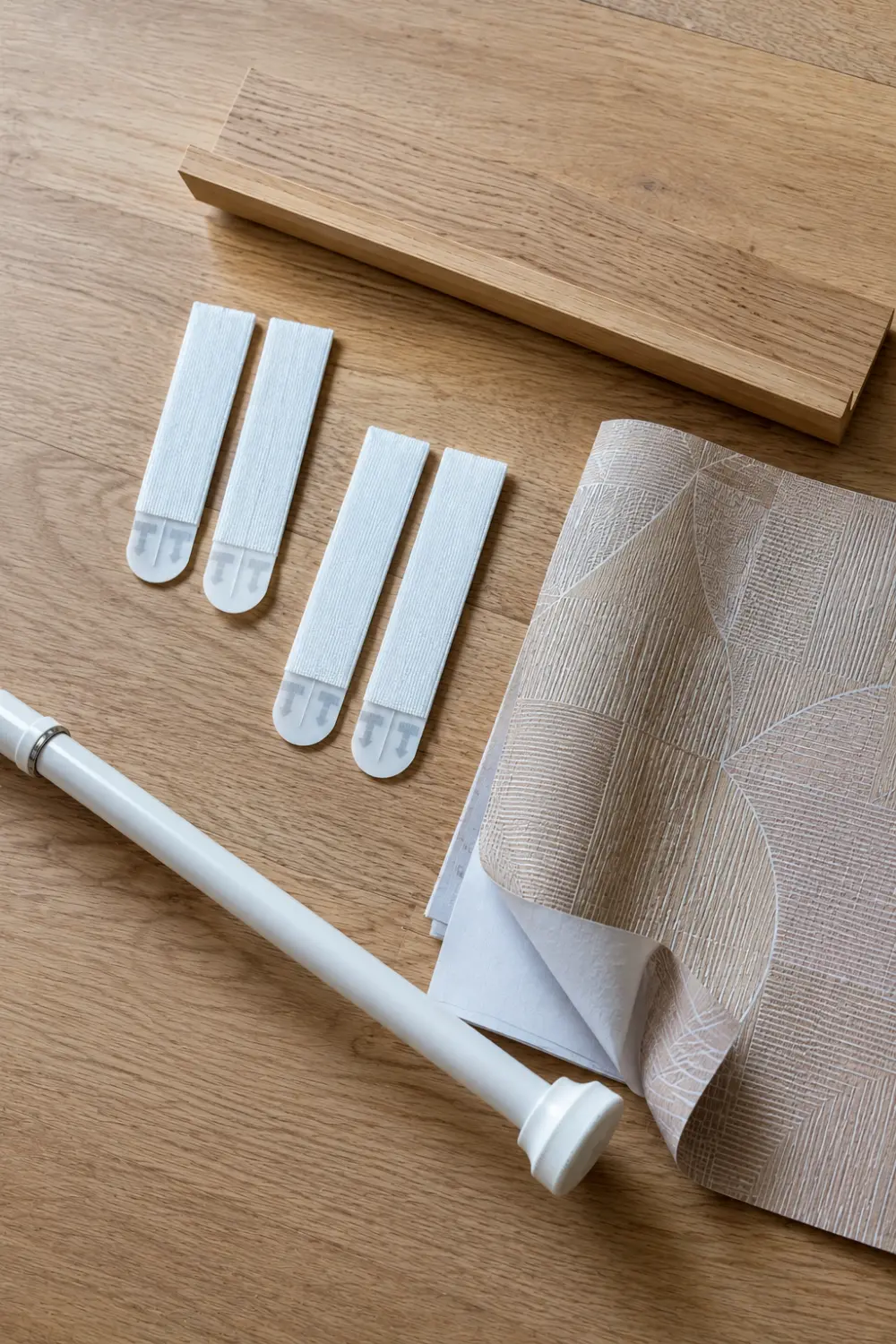
renter friendly wall decor products
Mistakes to Avoid When Decorating Rental Walls
Ignoring weight limits: exceeding a strip or hook's rated capacity is the top reason adhesive fails and pulls off paint with it.
Applying adhesive to freshly painted walls: most manufacturers recommend waiting seven days after painting before sticking anything to the surface.
Using strips or decals on wallpaper or heavily textured walls: the adhesive cannot bond properly and often pulls up the wallpaper or texture when removed.
Skipping the wall-type check: what works on drywall may fail on plaster, brick, or concrete, and vice versa.
Removing adhesive by pulling straight out: this is the most common cause of paint damage; strips are designed to release when pulled straight down.
Overloading one wall while leaving others bare: uneven sun exposure over time can cause visible paint or wallpaper fading once decor comes down.
How to Remove Adhesive Strips Without Damaging Paint
Removing decor correctly matters just as much as hanging it correctly. Follow these steps to avoid paint damage when it is time to take something down:
Hold the top of the strip and pull straight down, slowly and steadily, rather than pulling outward or upward.
If a strip will not release, slide unflavored dental floss or fishing line behind it, moving it downward like a saw to loosen the bond.
A warm hairdryer held a few inches from the strip for 10 to 15 seconds can soften stubborn adhesive before pulling.
Clean any leftover residue with a small amount of mild soap and warm water, then dry the area fully.
If a small mark remains, a dab of matching touch-up paint usually resolves it before your final walkthrough.
Frequently Asked Questions
How to decorate a wall without damaging a wall?
Use damage-free products rated for your wall type and the weight of your decor, such as Command strips, adhesive hooks, peel-and-stick wallpaper, or removable decals. Always clean the wall first and follow the manufacturer's weight limits and cure times.
How to cheaply cover up a damaged wall?
Removable wall decals, washi tape gallery arrangements, or an affordable peel-and-stick wallpaper panel can disguise small marks or discoloration without a repaint. For larger damage, ask your landlord whether a patch-and-paint is possible before covering it.
How to put things on the wall in an apartment?
Command strips and adhesive hooks are the most reliable renter-friendly options for frames and light decor. Choose the product rated for your item's weight, and always test on a small, hidden area first if you are unsure how your wall will react.
How many walls in a room should be decorated?
There is no fixed rule, but most rooms feel balanced with one clear focal wall (often behind a bed or sofa) fully styled, and the remaining walls left simpler with a mirror, shelf, or small grouping of art.
How to decorate a wall renter friendly?
Combine a few damage-free methods, such as a Command strip gallery wall, a leaning mirror, and a fabric wall hanging, to build a layered look that fully removes at move-out without any wall repairs.
Final Thoughts
Decorating a rental does not have to mean bare walls or a risky security deposit. With the right combination of Command strips, adhesive hooks, peel-and-stick wallpaper, and a few creative touches like leaning mirrors or fabric hangings, it is entirely possible to make an apartment feel fully personalized while keeping every wall exactly as you found it. Start with one or two methods from this guide, check your lease and wall type first, and build from there as your space comes together.